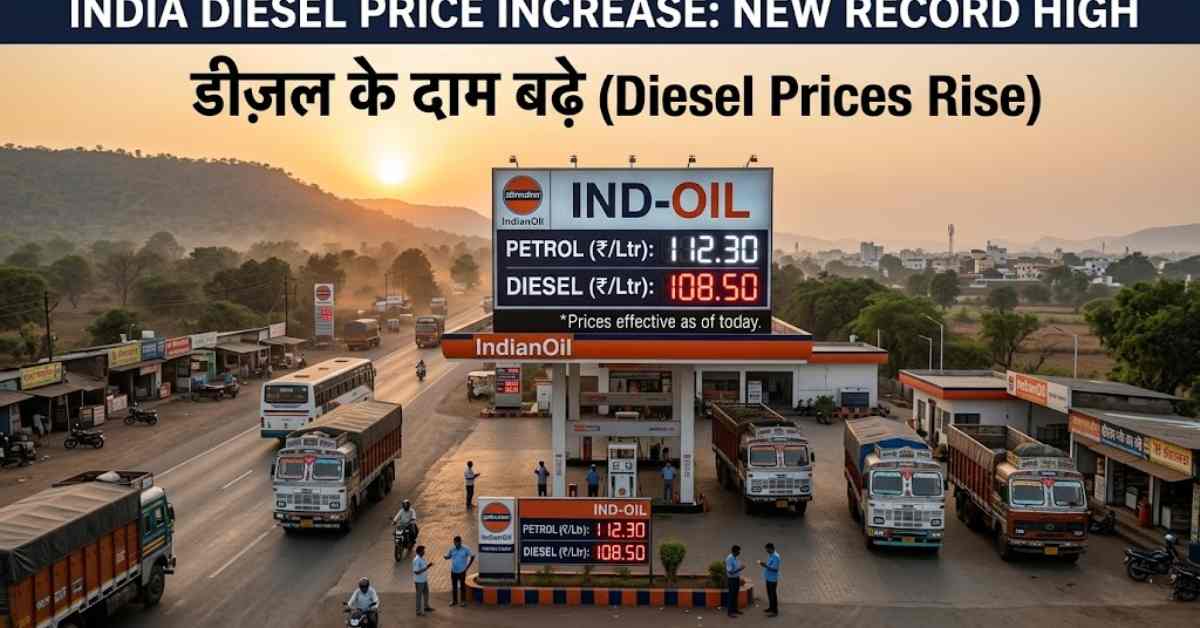
India Diesel Price Increase:
India Diesel Price Increase once again witnessing a sharp discussion around rising diesel prices as fuel costs continue to impact transportation, businesses, farmers, and ordinary consumers across the country. The latest increase in diesel rates has triggered concern among industries and citizens who are already dealing with inflation and higher living expenses.
Diesel remains one of the most important fuels in India because it powers trucks, buses, agricultural machinery, trains, and industrial equipment. Even a small rise in diesel prices can affect transportation costs and eventually lead to higher prices for food, vegetables, consumer goods, and services.
Over the past few weeks India Diesel Price Increase, fuel price fluctuations have become a major topic of debate as global crude oil prices remain unstable due to international economic conditions, geopolitical tensions, and supply chain disruptions. Many experts believe the latest diesel price increase could influence inflation levels in the coming months.
Why Diesel Prices Are Increasing in India
One of the main reasons of India Diesel Price Increase behind the diesel price hike is the increase in international crude oil prices. India imports a large percentage of its crude oil requirements from other countries, making domestic fuel prices highly dependent on global market trends.
When crude oil becomes expensive internationally, oil marketing companies in India often revise fuel prices to balance import and operational costs. Currency exchange rates also play a major role because crude oil purchases are usually made in U.S. dollars. A weaker Indian rupee can make imports more expensive, increasing pressure on fuel pricing.
Another factor affecting diesel prices is taxation. Fuel prices in India include central excise duty, state-level taxes, transportation costs, and dealer commissions. These taxes can vary between states, which is why diesel rates differ across cities such as Delhi, Mumbai, Chennai, Kolkata, Bengaluru, and Hyderabad.
Experts also point out that geopolitical instability in oil-producing regions has contributed to uncertainty in global energy markets. Conflicts and production cuts by oil-exporting countries have reduced supply in some periods, leading to price volatility.
Impact on Transportation Sector
The transportation industry is among the sectors most affected by diesel price increases. Trucks, buses, delivery vehicles, and commercial transport services depend heavily on diesel fuel for daily operations.
When diesel prices rise, transport companies face higher operational expenses. These increased costs are often passed on to consumers through higher freight charges and transportation fees.
Public transportation systems may also experience financial pressure. Bus operators in several states have already expressed concerns about rising fuel expenses affecting their profitability and daily operations.
Logistics companies, courier services, and e-commerce delivery networks are similarly impacted. Increased transportation costs can eventually affect online shopping prices and delivery charges for consumers.
Effect on Food and Daily Commodities

Diesel price hikes often have a direct impact on food prices because agricultural products are transported across long distances using trucks and commercial vehicles.
Farmers also rely on diesel-powered irrigation pumps, tractors, and harvesting machinery. Higher fuel prices can increase farming expenses, making agricultural production more costly.
As transportation and production costs rise, consumers may eventually notice price increases in vegetables, fruits, grains, dairy products, and packaged goods.
Economists warn that continuous diesel price increases could contribute to inflationary pressure across multiple sectors of the economy.
Concerns Among Common Citizens
Ordinary citizens are increasingly worried about India Diesel Price Increase. Many middle-class families and small business owners say higher fuel prices indirectly affect household budgets because transportation, groceries, and services become more expensive.
Auto-rickshaw drivers, taxi operators, and small transport businesses are among the hardest hit groups. Since their daily income depends heavily on fuel costs, rising diesel prices can significantly reduce earnings.
Several consumer groups and opposition leaders have criticized fuel taxation policies, arguing that ordinary citizens are carrying the burden of high energy costs.
At the same time, India Diesel Price Increase maintain that fuel pricing is influenced by international markets and global economic conditions beyond domestic control.
Government Response and Industry Reactions
The Indian government and oil companies continue monitoring global fuel markets closely. In previous years, authorities occasionally reduced excise duties to provide relief to consumers when crude oil prices rose sharply.
Industry associations have urged policymakers to consider temporary tax reductions or subsidies for sectors heavily dependent on diesel, especially transportation and agriculture.
Some experts believe targeted support for farmers and logistics businesses could help reduce the broader economic impact of rising diesel prices.
Meanwhile, oil marketing companies continue adjusting prices based on global crude trends, import expenses, and domestic demand.
Push Toward Alternative Energy
The recurring issue of India Diesel Price Increase has also strengthened discussions around electric vehicles (EVs), renewable energy, and public transportation improvements in India.
The Indian government has been promoting electric mobility and cleaner energy alternatives to reduce dependence on imported crude oil. Electric buses, electric scooters, and EV charging infrastructure are expanding gradually across major cities.
Experts believe long-term investment in renewable energy and public transport systems could help reduce the country’s vulnerability to global oil price shocks.
However, transitioning away from diesel will take time because millions of vehicles and industries still rely heavily on conventional fuel.
Global Oil Market Influence
India is not the only country facing fuel price challenges. Many nations around the world are experiencing fluctuations in petrol and diesel prices due to global energy market uncertainty.
International oil prices are influenced by factors such as:
- OPEC production decisions
- Geopolitical conflicts
- Global economic growth
- Supply chain disruptions
- Currency exchange rates
- Seasonal fuel demand
Any major change in these factors can quickly affect domestic fuel pricing in importing countries like India.
Economic Outlook
Economists say the long-term impact of India Diesel Price Increase will depend on how global crude oil markets behave over the next few months.
If international prices stabilize, Indian fuel rates could eventually become more balanced. However, if geopolitical tensions or supply disruptions continue, fuel prices may remain under pressure.
Businesses are already preparing for possible increases in transportation and operational costs, while consumers continue searching for ways to manage rising expenses.
Financial analysts believe inflation control will remain one of the biggest economic challenges if fuel prices continue rising significantly.
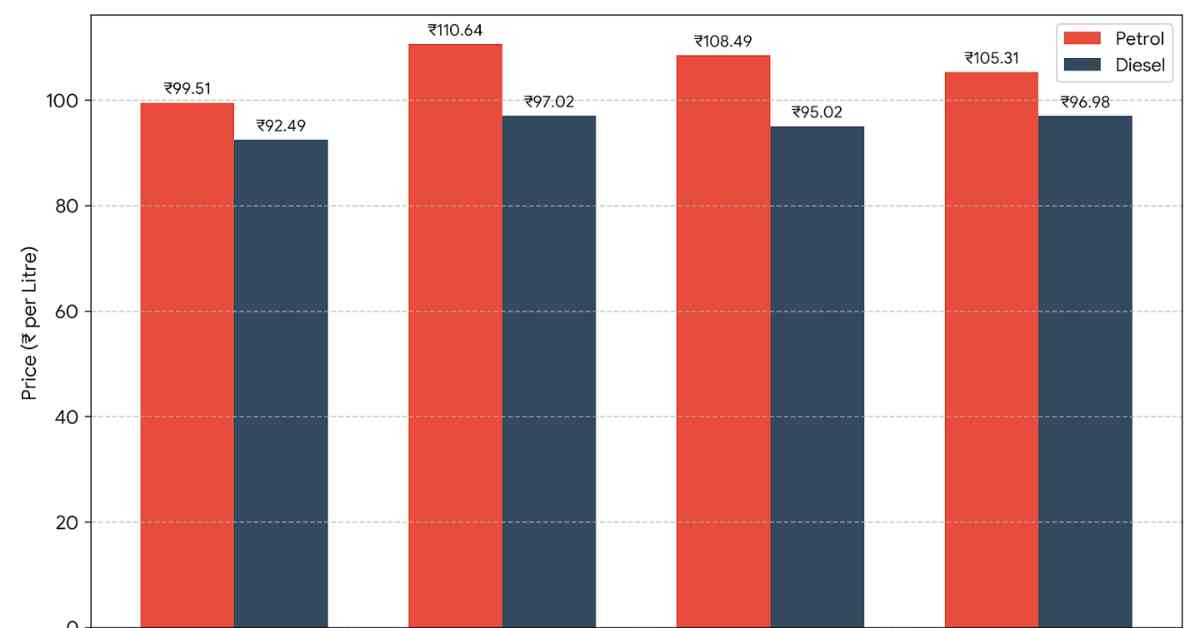
Graphic Chart of India Diesel Price Increase
Final Thoughts India Diesel Price Increase

The latest India Diesel Price Increase has once again highlighted how deeply fuel costs influence the country’s economy and daily life. From transportation and agriculture to household expenses and industrial operations, diesel remains a critical part of India’s economic system.
While global crude oil trends and taxation policies continue shaping fuel prices, consumers and businesses are hoping for stability in the coming months. The situation has also renewed discussions about alternative energy solutions and reducing dependence on imported oil.
For now, India Diesel Price Increase rising remain a major concern for millions of Indians as the country balances economic growth, inflation management, and energy security in an increasingly uncertain global market.